
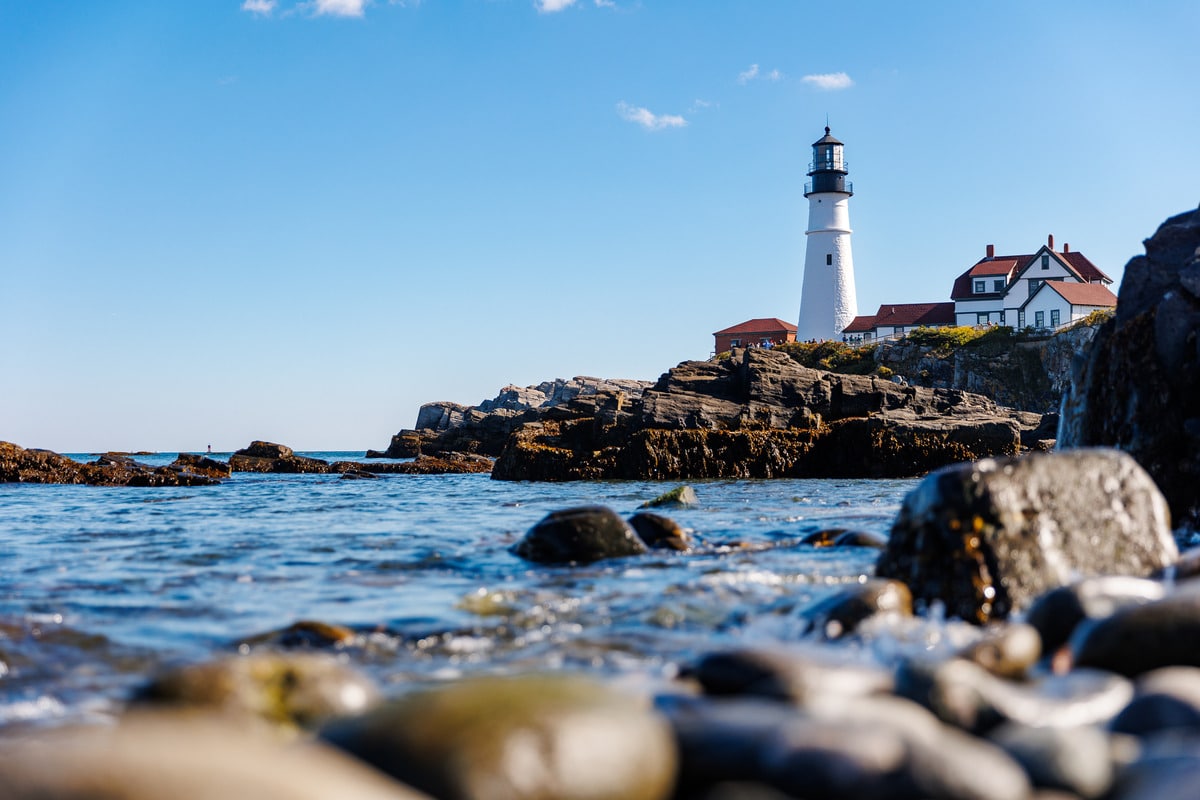
Understanding the lobster lifecycle helps explain why Maine lobster is known worldwide for its quality, flavor, and sustainability. From the cold waters of the North Atlantic to your dinner table, every step in the journey is carefully managed to protect the lobster and preserve freshness. At Klenda Seafood, this commitment to care and quality is central to how seafood is sourced and delivered.
What Is the Lobster Lifecycle?
The lobster lifecycle refers to the full journey of a lobster, beginning in the ocean and ending on the plate. This process includes responsible harvesting, careful handling, temperature-controlled storage, and efficient delivery. Each step plays a critical role in maintaining the lobster’s health, texture, and sweet, clean flavor.
Maine’s lobster industry follows strict regulations and time-tested practices that protect lobster populations while ensuring customers receive premium seafood.
Life in the Cold Waters of Maine
Maine lobsters thrive in cold, clean Atlantic waters where they grow slowly, developing firm meat and rich flavor. Lobsters begin life as larvae, floating freely before settling on the ocean floor. Over several years, they molt, grow, and mature in rocky habitats that provide protection and access to food.
This slow growth is a key reason Maine lobster is prized by chefs and home cooks alike.
Sustainable Harvesting: From Trap to Boat
The harvesting stage is one of the most important phases of the lobster lifecycle. Maine lobstermen use baited traps designed to protect the lobster and the environment. These traps allow undersized lobsters and breeding females to be safely returned to the ocean.
Key sustainability practices include:
- Minimum and maximum size limits to protect young and breeding lobsters
- V-notching of egg-bearing females to prevent harvest
- Biodegradable escape panels in traps to reduce environmental impact
These measures ensure lobster populations remain healthy for future generations.
Handling and Transport: Protecting Freshness
Once lobsters are harvested, careful handling begins immediately. Lobsters are stored in aerated tanks or temperature-controlled environments to reduce stress and maintain vitality. This step is crucial in preserving meat quality and flavor.
At Klenda Seafood, lobsters are handled with precision and speed, minimizing time out of water and maintaining optimal conditions throughout transport. This attention to detail ensures lobsters arrive fresh and ready for preparation.
From Distribution to Your Plate
After harvest and holding, lobsters move through a streamlined distribution process. They are sorted, packed, and shipped using methods designed to maintain ideal temperature and moisture levels. Whether delivered live or freshly cooked, the goal is the same: to preserve the lobster’s natural sweetness and texture.
By the time a Maine lobster reaches your kitchen or restaurant, it has passed through multiple quality checkpoints designed to protect freshness and flavor.
Why the Lobster Lifecycle Matters to Quality
Every stage of the lobster lifecycle impacts the final dining experience. Proper harvesting protects the population, careful handling preserves texture, and efficient delivery ensures peak freshness. When any step is rushed or mishandled, quality suffers.
That is why sourcing from trusted seafood providers like Klenda Seafood makes a noticeable difference.
Frequently Asked Questions
What makes the Maine lobster lifecycle different from other regions?
Maine lobster grows in colder waters and is harvested under strict sustainability regulations, resulting in firmer meat and superior flavor.
How long does a lobster live before being harvested?
Maine lobsters can take five to seven years or more to reach legal harvest size, depending on environmental conditions.
Are Maine lobsters harvested year-round?
Yes, Maine lobster is harvested year-round, though availability and shell hardness vary by season.
How does proper handling affect lobster quality?
Proper handling reduces stress, prevents damage, and preserves the lobster’s natural sweetness and texture from ocean to plate.
Experience the Difference with Klenda Seafood
The lobster lifecycle is a carefully managed journey that ensures quality at every stage. From sustainable harvesting to meticulous handling and delivery, each step reflects a deep respect for the lobster and the ocean it comes from.
When you choose Klenda Seafood, you’re choosing premium Maine lobster sourced with care and delivered with freshness in mind. Contact Klenda Seafood today or shop our selection to experience the exceptional quality that comes from understanding and respecting the lobster lifecycle.