
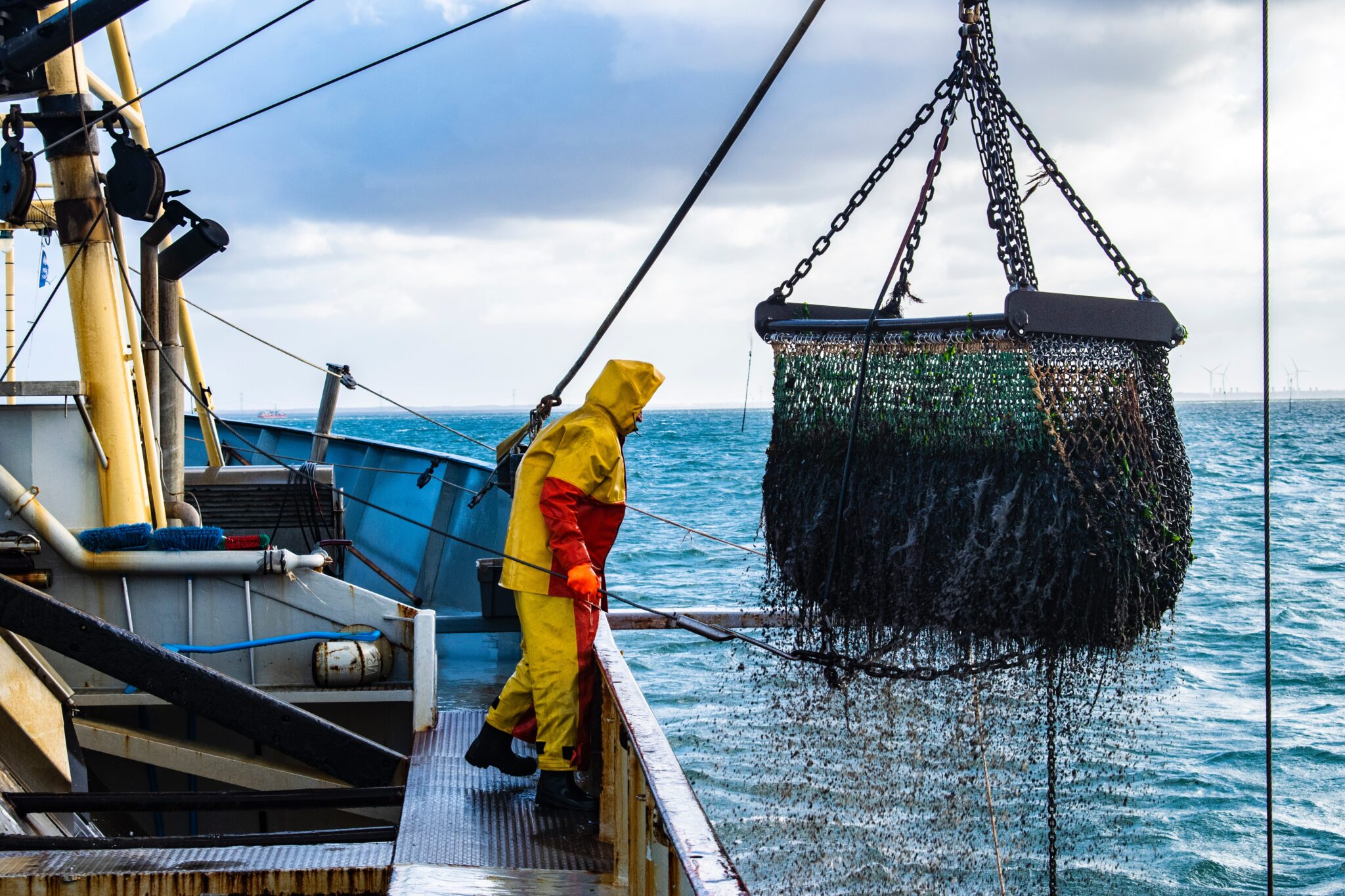
Choosing the most sustainable seafood not only supports ocean health but also ensures that future generations can enjoy fresh, high-quality lobster and shellfish. For conscious consumers, restaurants, and caterers, understanding how to make smart, eco-friendly seafood choices is essential.
Whether you are looking to place a lobster online order or shop locally, the decisions you make can reduce environmental impact while still delivering exceptional taste.
5 Simple Tips for Smarter, Eco-Friendly Seafood Shopping
Making informed choices when buying seafood can have a meaningful impact on the environment. Here’s how to shop smarter and more sustainably:
1. Know Your Source
Always buy from suppliers who prioritize responsible fishing practices. Maine lobster is harvested using trap methods that minimize bycatch and protect undersized or egg-bearing lobsters. Working with trusted suppliers ensures you support fisheries that maintain healthy ocean ecosystems.
2. Look for Certifications and Labels
Eco-certifications, such as the Marine Stewardship Council (MSC) label, indicate that seafood comes from sustainable sources. These labels help buyers quickly identify products that are responsibly harvested. When in doubt, ask your supplier about their sourcing standards and practices.
3. Prioritize Freshness
Fresh seafood is inherently more sustainable. Choosing live or recently harvested lobster reduces the likelihood of spoilage and waste. Fresh products also require less packaging and preserve flavor, making them both environmentally and gastronomically superior.
4. Reduce Packaging Waste
Select suppliers who use recyclable or biodegradable packaging. Buying in bulk or combining multiple items in a single shipment reduces packaging materials, lowering your environmental footprint. Reusable ice packs and insulated containers can further reduce delivery-related waste.
5. Plan Portions Carefully
Overbuying can lead to unnecessary food waste. Determine the portions you actually need before ordering. For restaurants and caterers, planning menus based on predicted consumption minimizes leftover seafood while optimizing inventory costs.
6. Diversify Your Seafood Choices
Relying solely on one type of seafood can strain certain populations. Incorporating a variety of sustainably sourced shellfish, clams, mussels, and other fish species helps spread demand and supports healthier ecosystems. This also allows for seasonal menu creativity.
7. Ask Questions About Sustainability
Don’t hesitate to inquire about where your seafood comes from, how it was harvested, and what measures are in place to protect the environment. Suppliers who are transparent about their sourcing demonstrate a commitment to responsible practices.
8. Support Local Fisheries
Buying from local Maine fisheries reduces transportation emissions and supports the local economy. Local sourcing ensures fresher products while contributing to the long-term health of Maine’s coastal communities and marine resources.
How Online Ordering Supports Sustainability
Placing a lobster online order from reputable suppliers can actually be more environmentally responsible:
- Streamlined delivery reduces the need for multiple trips to the store.
- Temperature-controlled shipping preserves freshness and quality.
- Many online suppliers source directly from local Maine fisheries, supporting sustainable practices.
By combining convenience with conscious sourcing, online orders can be both eco-friendly and practical.
Understanding Sustainable Lobster Practices
Maine lobsters are harvested using trap-and-release methods that allow undersized or egg-bearing lobsters to be returned to the ocean, preserving populations. This method:
- Protects marine ecosystems
- Ensures healthy future stocks
- Maintains premium quality for consumers
When buying lobster online, look for suppliers who uphold these standards.
Frequently Asked Questions About Eco-Friendly Seafood
1. Is Maine lobster considered sustainable?
Yes, Maine lobster is harvested using responsible trap methods that minimize bycatch and protect the species.
2. Can I place a lobster online order sustainably?
Absolutely. Many online suppliers source directly from Maine fisheries with sustainable practices and environmentally conscious shipping methods.
3. What are the most sustainable seafood options besides lobster?
Other sustainable choices include clams, mussels, oysters, and certain wild-caught fish species certified by MSC or other organizations.
4. How can restaurants reduce waste while serving seafood?
Plan portion sizes carefully, use seasonal ingredients, and source from sustainable suppliers to reduce both food and packaging waste.
Make Responsible Seafood Choices with Klenda Seafood
Eco-friendly seafood shopping doesn’t have to mean sacrificing quality or flavor. At Klenda Seafood, we provide premium Maine lobster and shellfish, responsibly sourced to ensure freshness, sustainability, and superior taste.
Whether you’re a home cook, caterer, or restaurant owner, you can confidently place a lobster online order that supports local fisheries and minimizes environmental impact.
Explore our full selection at Klenda Seafood and shop the most sustainable seafood from Maine’s waters directly to your table.